
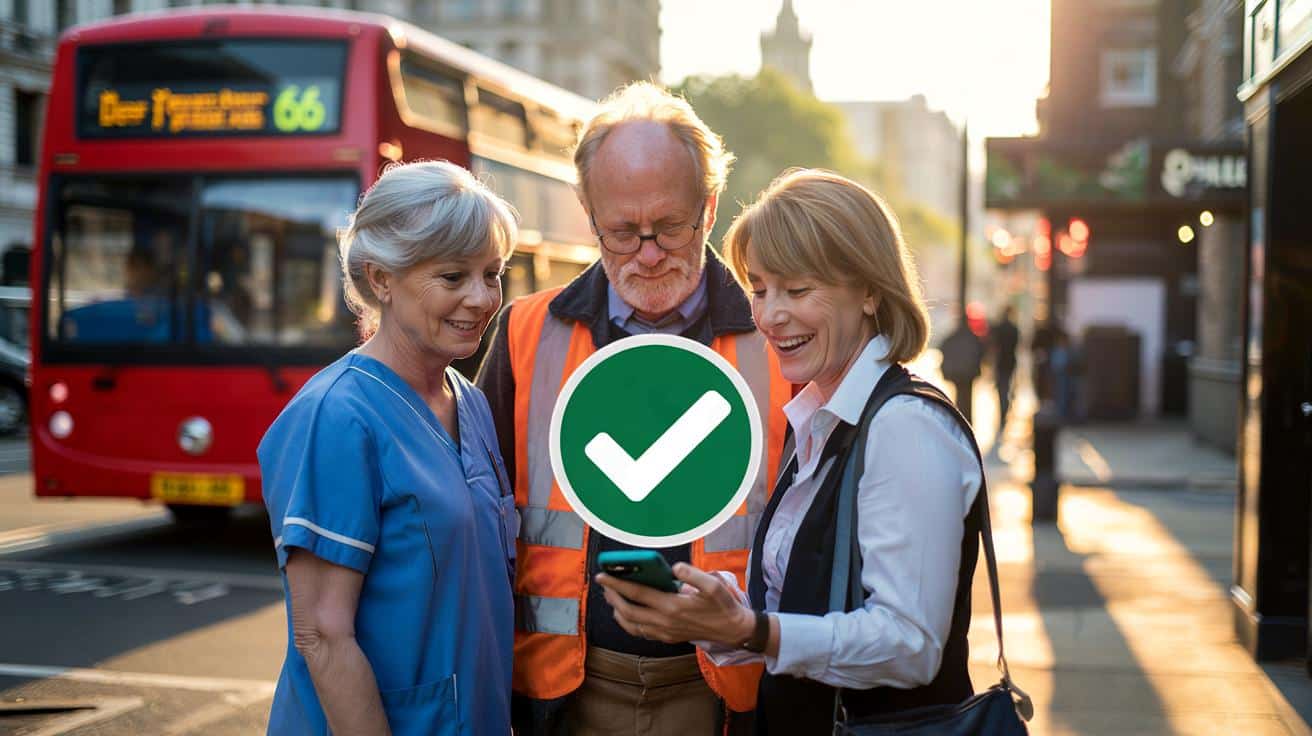
The government has ripped up the “67 rule” and locked in a new State Pension age. Overnight, pension plans, kitchen-table budgets and quiet promises to oneself now look different.
Phones pinged. A builder in dusty boots muttered “about time,” while a woman in scrubs stared at a headline and smiled into her scarf. *I could hear the hiss of the bus doors and a murmur rising over someone’s screen.*
Ministers have officially approved a reset: the State Pension age is now set at 66, with the jump to 67 scrapped. Pubs hummed with relieved arithmetic. HR teams reopened spreadsheets that had been zipped for months.
For millions, this isn’t a policy tweak. It’s the difference between claiming a year earlier and not. Between a wobbly last winter at work and a first spring of breathing space. Something else sits under it.
What changed, and why it lands so hard
The 67 rule is gone. The government has ratified 66 as the new official State Pension age, shelving the rise that was due to roll across late-decade birthdays. For those born in the early 1960s, the calendar just shuffled back a year. That’s not a headline on paper; it’s what your bank app shows on a Friday.
People who’d counted down to 66, then grimaced at a policy nudge to 67, are reworking the final stretch. Think of Denise, 64, in Rotherham, who’s kept extra shifts in retail to plug the gap. She texted her daughter: “It’s back to 66. We can make Nan’s June trip happen.” One year reclaimed is not just 12 payments. It’s a different mood, a different summer.
Behind the scenes, the politics are raw. Longevity gains have slowed, healthy life expectancy wobbles by postcode, and manual workers have felt squeezed by one-size-fits-all timetables. The Treasury still counts every penny, yes, but a pause at 66 signals a bet on fairness that goes beyond averages. It also dials down a looming crunch for late-career workers stuck between sore knees and moving goalposts.
How to pivot your plan right now
Start with the basics. Get your State Pension forecast and National Insurance record, then build around that hard number: 66. One crisp step helps: set a date in your calendar for a benefits “pre-claim” check 90 days out. Then sketch a 12-month bridge between your last payslip and your first State Pension payment. A small, ring-fenced cash pot beats vague hopes.
We’ve all had that moment when a big decision turns into endless scrolling and postponing. Don’t let it be this. Talk to your employer about tapering hours or moving to a less physical role for your final year. Trim high-cost debt before you hit 66, not after. Let’s be honest: nobody actually does that every day. Build one short money ritual per week, even if it’s just cancelling an unused subscription and moving £20 to your bridge pot.
This shift isn’t only about cash flow; it’s about energy and time. Many readers tell me they’d trade one more year of full-time grind for 18 months of lighter work and a clean handover into 66.
“Keeping the State Pension age at 66 doesn’t magic away costs,” says one independent planner, “but it restores predictability. People plan better when the ground stops moving.”
- Pull a fresh forecast: GOV.UK → Check your State Pension → Download the letter.
- Map your bridge: list months until 66 and assign a funding source to each.
- Revisit workplace pension drawdown: stagger it to glide into State Pension day.
- Guard your NI record: consider voluntary Class 3 NI only if it boosts your payout.
- Write one sentence: “At 66, my first payment funds X.” Pin it where you’ll see it.
The bigger picture, and what it asks of us
Policy writers like tidy charts. Life is not tidy. The formal approval of 66 pulls a year back into reach for carers, bus drivers, midwives on sore feet, and men with ladders on their vans. It also sets a cultural signal: work doesn’t have to be a cliff. With 66 back on the map, flexible exits look less like defeat and more like common sense.
There’s a tougher layer here. Inequality doesn’t retire at the same age everywhere. A sandwich shop owner in Sunderland and a project manager in Surrey don’t walk into 66 with the same knees, or the same cushion. The new age is one line, but we live many lives along it.
Some will use the extra year to breathe. Others will hustle to clear one last bill. A few will keep working past 66, because they like their mornings busy. The policy is the frame; the picture is yours. Think about what you’ll start, who you’ll help, what you’ll drop, and what you’ll keep. **This is a money story, yes,** but it’s also a time story. **Time is the only dividend you can’t reinvest.**
| Key Point | Detail | Interest for the reader |
|---|---|---|
| New official State Pension age | 66, with the planned rise to 67 scrapped and formally approved | You can claim a year earlier than feared, changing budgets and timelines |
| Planning pivot | Build a 12-month “bridge” to your first payment and review NI record | Reduces stress, avoids last‑minute borrowing, protects your payout |
| Work-life transitions | Explore phased hours, lighter duties, and staged drawdown | Makes the final year sustainable and preserves energy for life beyond work |
FAQ :
- Does this mean everyone now gets the State Pension at 66?Yes. The government has confirmed the State Pension age at 66 and removed the scheduled rise to 67, so eligibility reverts to that age.
- I planned for 67—should I change my private pension withdrawals?Review your drawdown schedule and consider easing withdrawals at 66, as State Pension income now starts earlier and can shoulder part of your monthly needs.
- Will the State Pension age change again later?A future review could revisit the timetable, but the current approval locks 66 in place, giving a stable baseline for this Parliament’s horizon.
- What happens if I keep working past 66?You can defer the State Pension and receive a higher amount later, or take it at 66 while continuing to work; the choice hinges on tax, health, and cash flow.
- Should I buy voluntary NI years now?Only if it increases your forecast; check your NI gaps and the boost per year before paying, as some gaps don’t raise your final entitlement.






About time.
This is a genuine reset. Keeping it at 66 means my mum can stop night shifts this winter and plan a gentler handover. Thank you.