
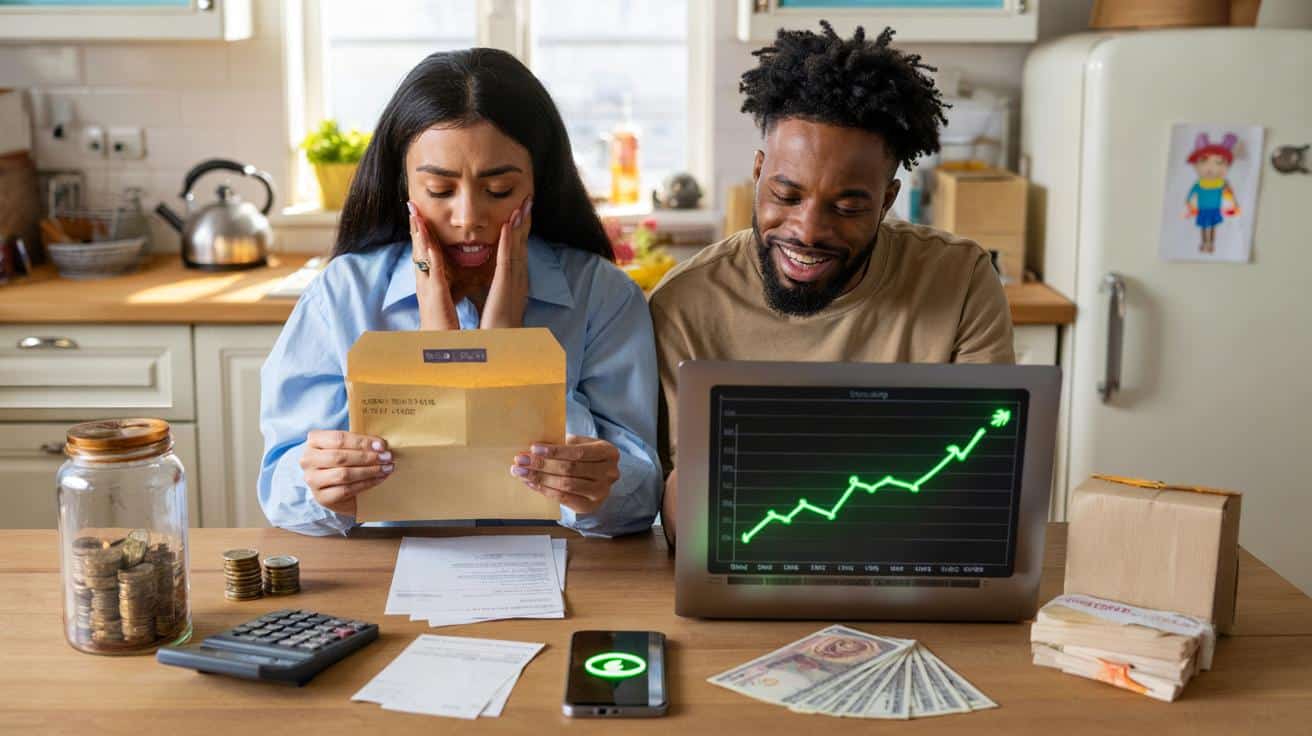
With the tax-free Personal Allowance lifted to £16,320 for people who file Self Assessment, the spreadsheet lines suddenly feel warmer. Households built on side-hustles, invoices, and late-night bookkeeping are about to see real money stay put.
The email landed mid-morning, just as a kettle clicked and an online order was being packed at the kitchen table. You could hear the tiny pause before the news settled: the tax-free Personal Allowance rising to £16,320 for Self Assessment filers. On the screen, it’s a neat figure; in the room, it’s a slower heartbeat and a deeper breath.
We’ve all had that moment when a brown HMRC envelope turns the air sharp. This one hit different. Then the number blinked.
What the £16,320 allowance really changes
For many one-person businesses, landlords, and gig-workers, this rise is not an abstract policy tweak. It’s the difference between pushing off a car service and getting it done without a second thought. On paper, the jump from £12,570 to £16,320 adds £3,750 of income that isn’t taxed at the basic rate.
Run the quick maths and it clicks. If you’re a basic-rate payer, that’s roughly £750 less income tax across the year. Pack it into months and it’s about £62.50 back in your pocket, which is a tank of fuel or two extra after-school clubs. Small, yes. Felt, absolutely.
Take Mia, a freelance designer in Leeds making £28,000 from contracts and a steady stream of Etsy sales. Last year she paid 20% on £15,430 of income. With a £16,320 allowance, she pays 20% on £11,680. Her bill drops by £750, which is a new laptop battery and a cushion against a slow February. One line changes the season.
This uplifts the starting line for tax on each person who files. It doesn’t merge into a household pot, even if the headline reads “self-assess households.” For couples where both partners submit a return, each person gets the full allowance, which can quietly transform joint cashflow.
There’s another quiet effect at the top end. The allowance still tapers by £1 for every £2 of income above £100,000, but the point where it disappears moves. Instead of vanishing around £125,140, it now reaches zero at about £132,640. That narrows the notorious 60% pinch slightly, and it could reshape bonus timing or charity gifts for higher earners.
And yes, this sits alongside National Insurance, which has its own thresholds and rules. The allowance doesn’t change what you owe in NICs, so the self-employed Class 2 and Class 4 landscape still matters. Tax is rarely one lever; it’s a board of switches.
How to make the most of it if you file Self Assessment
Update your numbers early, not the night before 31 January. Log in, run a draft of your 2026/27 return with the new allowance, and check your payments on account. You might be due a reduction, freeing up cash now rather than later. One small line on a form can change a month of breathing.
Look at your mix of income. If you straddle PAYE and freelance work, ask your employer to review your code so your Tax-free Personal Allowance isn’t accidentally swallowed by the wrong job. Spread income over tax years if you can, especially if a chunky invoice is due in March. Let’s be honest: nobody really does that every day.
Don’t forget the simple levers that stack with the higher allowance. Gift Aid and pension contributions still reduce adjusted net income, which can help if you’re nudging higher bands or the taper zone. And if you’re married or in a civil partnership, the Marriage Allowance transfer jumps too, with the receiving partner’s tax cut worth 20% of the 10% slice. That’s more than small change.
“People think tax planning lives in a leather-bound office,” says a high-street accountant in Plymouth. “Most of the wins come from five-minute tweaks done before you hit submit.”
- Run a dummy return now and after your next big invoice.
- Revisit payments on account; apply to reduce if your bill will be lower.
- Use pension contributions to manage bands and the taper.
- Consider timing: invoicing a week later can change a year.
- If eligible, claim the trading allowance and mileage method smartly.
The moving parts behind the headline
The basic-rate band still starts after your allowance, so a higher allowance pushes more of your earnings into the zero zone. That’s why the headline saving for basic-rate taxpayers feels clean. For higher-rate and additional-rate folks, the gain varies with where you sit relative to thresholds, pension inputs, and charitable gifts. It’s a puzzle worth solving with your own numbers.
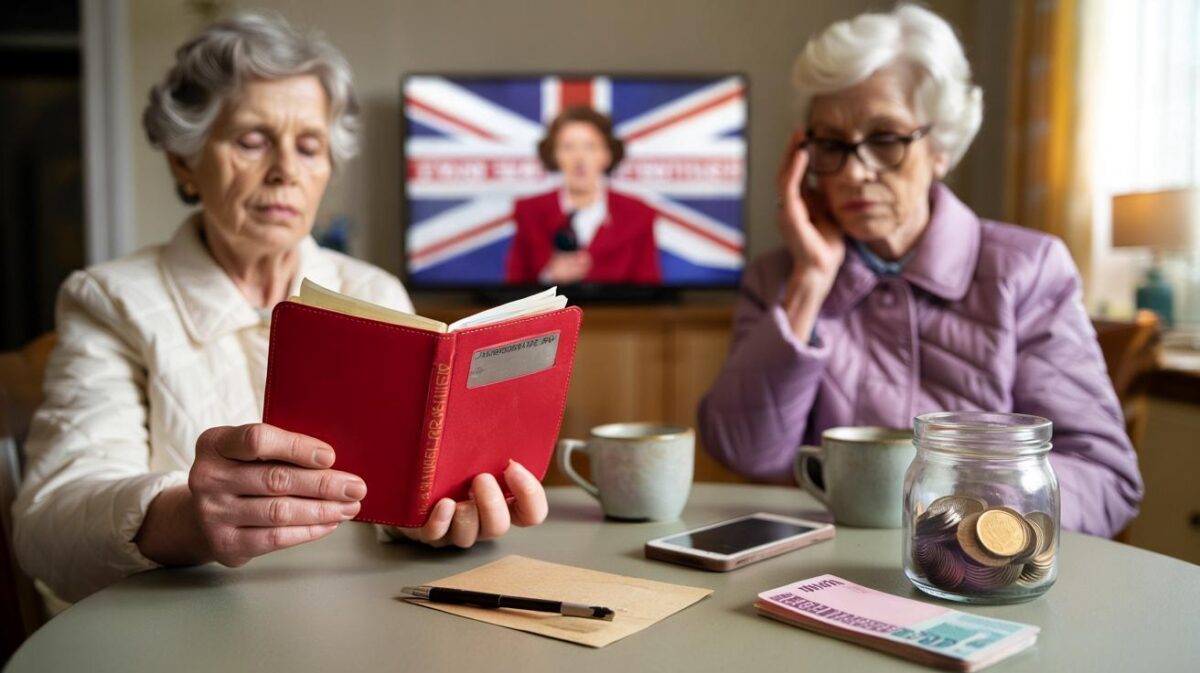
Self Assessment households live month to month on cashflow, not tax theory. A £750 swing means catching up on VAT before it bites, or paying the accountant when the reminder pings instead of crossing fingers. This is where policy meets a Friday night takeaway and a quieter brain.
If you run a small limited company alongside freelance income, keep an eye on salary-versus-dividends decisions. The dividend allowance has been trimmed in recent years, while this personal allowance moves up, so your blend might need a fresh look. Small changes now can stop a January panic later.
Practical steps you can take this week
Open your Self Assessment dashboard and download last year’s return. Duplicate the figures into a spreadsheet, then replace the allowance with £16,320 to see the delta. If you use accounting software, flip the new tax year on and let it recalc. Numbers calm nerves.
If you’re on payments on account, compare those instalments with your recalculated bill. File a claim to reduce if it’s clearly too high. If you’re a PAYE-plus-side-gig person, ask payroll to adjust for your Self Assessment return so you’re not overpaying each month. Soyons honnêtes: personne ne fait vraiment ça tous les jours. There, said it.
Keep the receipts habit alive, even if you hate it. The higher allowance doesn’t replace good record-keeping; it amplifies it. A tidy ledger makes the saving stick.
“Think of the new allowance as a head start,” says a Brighton bookkeeper. “Then don’t trip at the first hurdle.”
- Set a calendar nudge to revisit your forecast every quarter.
- Scan receipts weekly; two minutes now avoids two hours later.
- Check if Mileage vs. actual costs gives you a better result this year.
- If you sell on platforms, download monthly statements before they vanish.
- Keep a simple cash buffer for payments on account — call it your calm fund.
The bigger picture
You can feel the tone change when tax policy touches daily spending. The lift to £16,320 won’t turn a tough year into a breeze, but it takes the edge off. That often matters more than the headline suggests.
People will argue about who benefits most, and they won’t be wrong to keep score. Yet the real story lives in kitchens, vans, co-working corners, and spare rooms. A freelance translator says yes to a new client without fretting about the bill that follows. A barber books a course and levels up a skill.
It’s easy to be cynical about policy tweaks. *It’s harder when a small decision lands as breathing room.* If this rise helps you invest a sliver more time, a sliver more calm, a sliver more cash into the work you care about, then the number has done its job.
| Key Point | Detail | Interest for the reader |
|---|---|---|
| Higher allowance, lower bill | £16,320 tax-free, roughly £750 saved for basic-rate payers | Clear cash impact you can budget for |
| Taper zone shifts | Allowance phases out to around £132,640 instead of ~£125k | Bonus timing and pension inputs may work harder |
| Practical tweaks pay | Update payments on account, review codes, tidy records | Turn policy into real, near-term cashflow |
FAQ :
- Who gets the £16,320 allowance?It applies per individual who files a Self Assessment return, not per household. Each eligible adult gets their own allowance.
- How much will I actually save?If you’re a basic-rate taxpayer, about £750 across the year. Higher-rate and additional-rate savings vary with your specific mix of income and reliefs.
- Does this change National Insurance?No. NI has separate thresholds and rates. The higher personal allowance affects income tax only.
- What happens if I earn over £100,000?Your personal allowance tapers by £1 for every £2 above £100,000, reaching zero around £132,640 under the new figure.
- Can Marriage Allowance still help us?Yes. One partner can transfer 10% of their allowance to the other, giving the receiving partner a tax cut worth 20% of that slice.



This is actually huge for sole traders like me. On £28–30k, an extra ~£750 across the year covers my accountant and a new laptop battery. Quick Q: if my payments on account were set using last year’s lower allowance, can I apply to reduce them now without getting whacked with interest later? I’m on Self Assesment plus PAYE two days a week, and my code got messy last time. Any tips to stop the tax‑free slice being swallowed by the wrong job?