
That tiny palm-up flick you throw to a driver while you step off the kerb feels like nothing. To psychologists, it’s a social x‑ray: a fast, public clue to how you’re wired, what you value, and how you read a crowd.
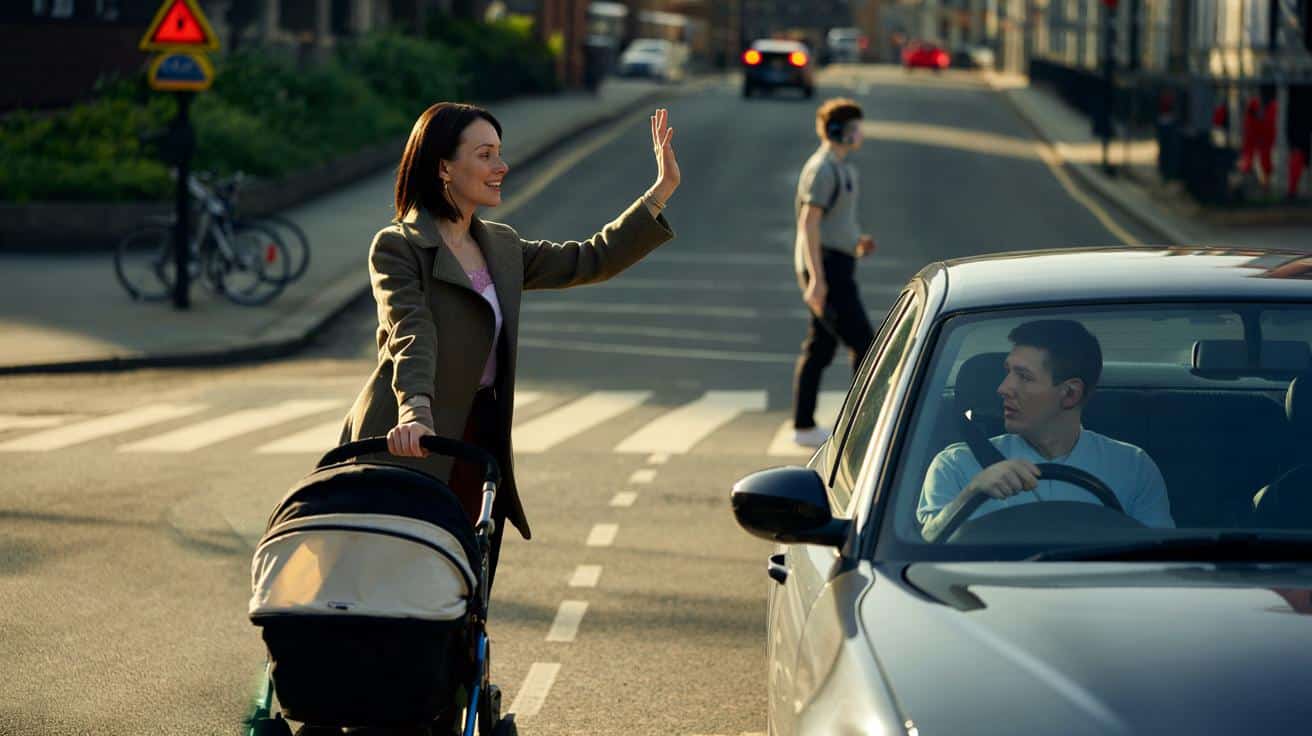
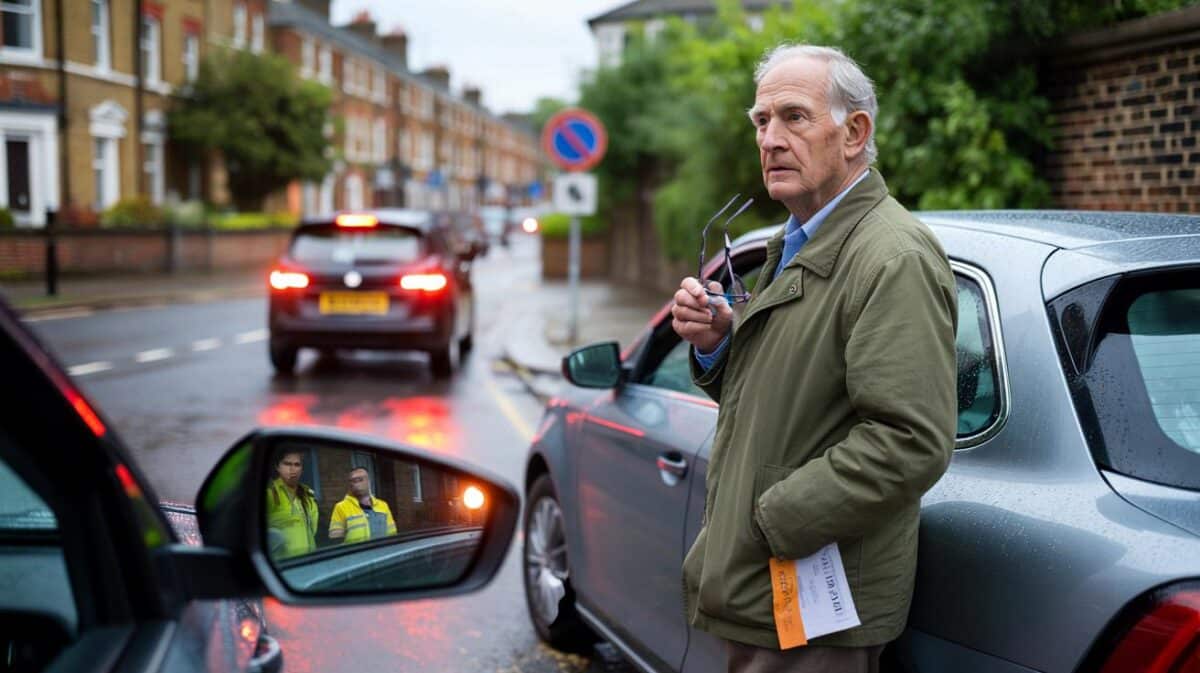
A woman with a buggy edges to a zebra, catches the driver’s eye, and sends a quick thank-you wave as she moves. The van driver nods back, a small contract signed between strangers, while a teenager dodges through behind them, head down, no gesture at all. We’ve all had that moment when a wave feels right and when it somehow doesn’t. The difference isn’t random. It reveals more than you think.
The psychology hiding in a tiny wave
Psychologists often point to the “thank-you wave” as a classic prosocial micro-behaviour. It clusters with traits like agreeableness, conscientiousness and social trust, the same settings that nudge you to queue neatly or hold a lift. On a busy pavement, the wave says, “I see you, I’m playing by the rules.” It’s not just manners; it’s a map of your inner settings.
I spent twenty minutes by a zebra in St Albans at school-run time, counting the gestures. Out of 47 crossings, 26 people waved or nodded to drivers who’d clearly yielded. The pattern felt familiar: the wave was fast, palm open, eyes up, almost always paired with a micro-smile. Non-wavers tended to be in a hurry or on headphones. Nothing scientific here, just the everyday choreography you notice when you stand still long enough.
That tiny signal does a lot of work. It reduces ambiguity at the line between road and pavement, where a single bad guess can snap tempers. It also runs on reciprocity: drivers who feel seen report calmer follow-up decisions, and pedestrians who wave often report feeling safer. In personality research, those who score higher on agreeableness and conscientiousness lean into these low-cost courtesies. They’re more likely to spot norms, read intentions and act in ways that keep the social air sweet.
How to use the wave well, without being weird
Keep it simple. Open palm, chest height, half a second, then let your hand drop. Pair it with eye contact and a small nod. Step out only when the driver has stopped or you’re on the crossing with clear right of way. The best wave travels with your feet: you move, you glance, you gesture, you go. No theatre, no wobble.
If the driver looks distracted, skip the wave and prioritise eye contact or a pause. Overselling the gesture can feel sarcastic or risky. Don’t step into the road while still mid-wave. Don’t twist round to keep waving after you’ve passed the bonnet. Let’s be honest: nobody really does this every day. If your gut says wait, wait.
Some people like rules-of-thumb. Here’s a neat way to remember what works in the wild, without turning it into homework.
“A thank-you wave is a micro-contract: I’ve seen your effort, you’ve seen my care. We’re good.”
- Eyes first, wave second.
- Open palm, not a fluttering jazz hand.
- Keep moving; don’t plant your feet to perform.
- One gesture, then you’re done.
A small habit, a bigger story
City life runs on these little rituals you barely notice. A driver leaves a gap at a junction and you wave; a cyclist slows at a pelican and you nod; a lollipop person raises the sign and you mirror their calm. Each move deposits a coin in the jar of public trust. People who wave tend to see themselves as part of a shared street, not just a body passing through. That outlook often aligns with the traits psychologists find in prosocial types: you like harmony, you follow cues, you invest in small signals that keep the mood steady. It’s not a moral scoreboard. It’s a style. Next time you cross, watch yourself. Do you wave by reflex? Only when you feel safe? Never? There’s no single right answer, only a pattern that tells a story about how you meet the world.
| Key Point | Detail | Interest for the reader |
|---|---|---|
| Waving tracks with prosocial traits | Linked to agreeableness, conscientiousness and social trust | Helps explain your own habits in a fresh, practical way |
| Good technique is tiny and clear | Open palm, brief, paired with eye contact and steady feet | Makes crossings smoother and less awkward |
| Common mistakes raise risk | Over-the-top gestures, waving without eye contact, stepping while signalling | Simple fixes reduce tension and keep you safer |
FAQ :
- Is a wave necessary at a zebra crossing?Legally, no. It’s a courtesy, not a rule. It can still smooth the moment and lower friction.
- Does waving make drivers more likely to stop next time?Many drivers report it lifts their mood and nudges kinder choices. It isn’t a guarantee, just a good nudge.
- What if I’m shy or anxious?Swap the wave for a quick nod. Same message, less performance.
- Is the thank-you wave universal?Not quite. Gestures vary by culture and city. In the UK it’s widely read as friendly and clear.
- Should drivers wave back?A nod or palm-up acknowledgement works. Keep both hands on the wheel in motion. Safety beats etiquette every time.

Correlation isn’t causation. People in a hurry might skip the wave not because they’re low in agreeableness, but because they’re late. Also, 20 minutes at one zebra feels a bit thin; any controlled data to back this up?
Love this! I started doing the quick open-palm wave last year and my commute feels calmer. Tiny rituals, big vibes 🙂