
Not 75. The Highway Code has been read, re-read, and whispered about at family tables — but the real age limit for driving in Britain isn’t a round number. It’s something far more practical, and closer to home.
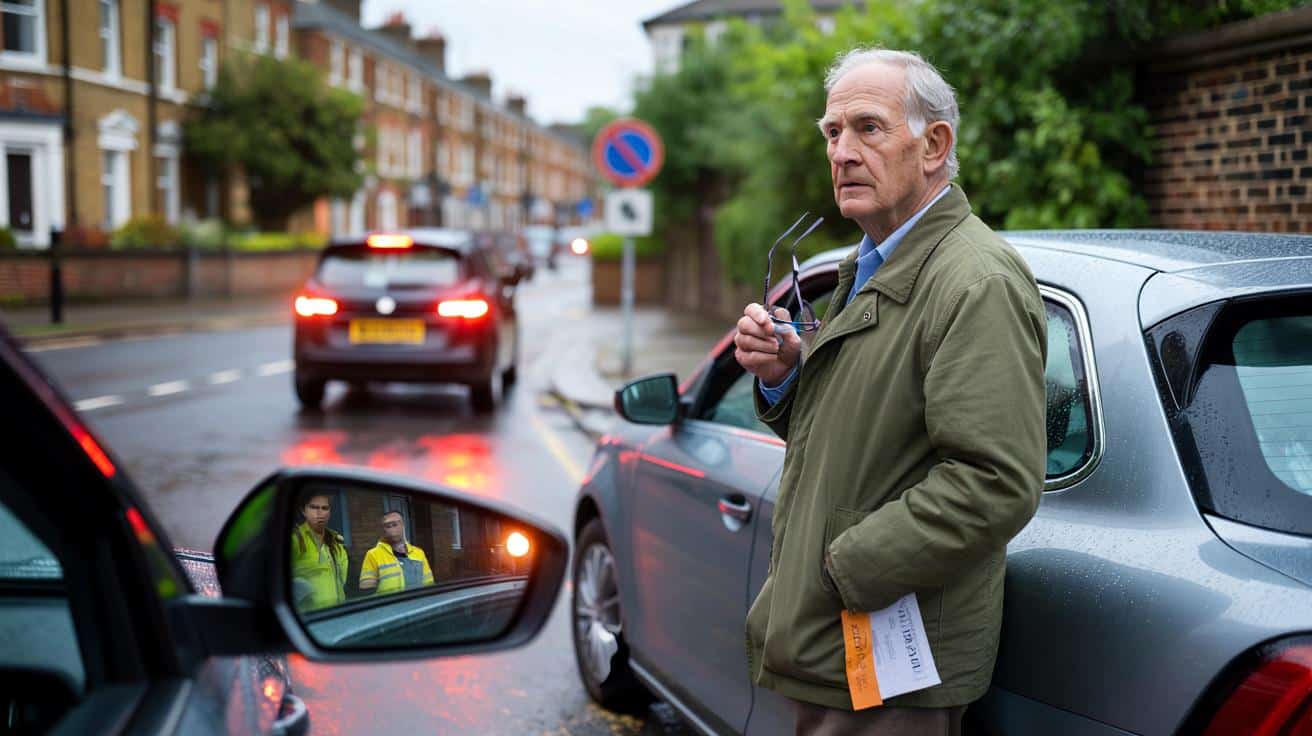
On a damp Tuesday morning in Leeds, I watched a man in a wax jacket stand by his car and practice reading a number plate on the far side of the road. He was 69, almost 70, rehearsing the little test he knew was coming. Across the street, a young courier rattled past with the confidence of having passed his test last spring, music up, elbows out. Two drivers, same road, different stakes. The older man had a DVLA envelope tucked in his pocket. He smiled when he finally got the plate right, then tried again, just to be sure. He wasn’t testing his age. He was testing something else.
The number everyone wants — and the one that doesn’t exist
Here’s the line everyone skips to: **There is no upper age limit for driving in the UK.** The Highway Code doesn’t set one. What it does spell out, alongside the law, is a simple framework: at 70, you renew your licence, then every three years. You must meet medical and vision standards. You must be fit to drive. If you can read a number plate at 20 metres and you’re managing your health responsibly, the law is on your side. The calendar alone doesn’t decide.
Think of Margaret from Portsmouth, 78, who drives at first light, avoids school-run chaos, and plans her routes like she plans her garden: calmly, with a cup of tea. She renewed at 70, and again at 73, 76, 79 will be next. She’s taken a refresher session with a local instructor. No drama, just adjustments. There are more than five million licence holders aged 70+ on Britain’s roads, and most drive fewer miles, at steadier times, with fewer claims than people half their age. That’s not a loophole. It’s lived experience.
Ageing isn’t a straight line. Two 75-year-olds can be worlds apart behind the wheel. One might be sharp as a pin, glasses up to date, reactions tidy. Another may be juggling new medication, slower neck movement, or cataracts that turn rain into a smeary blur. The law reflects that reality. **At 70, you must renew your licence every three years.** If a condition affects your driving, you must tell the DVLA. The Highway Code points to the real gatekeepers: eyesight, medical honesty, and how you actually drive, day to day.
Staying on the road safely after 70
Start with the basics you can control. **You must be able to read a number plate at 20 metres.** Practice it on your street, and book an eye test once a year, not just when letters start to swim. Switch to routes you know and times that feel calm. Give yourself more space, literally: bigger gaps, smoother braking, earlier signalling. Small decisions add up in busy traffic. *If you have to squint to see a street sign, that’s your cue.*
The tougher bit is pride. And fear. Nobody wants to be cornered by their children over the keys. You don’t have to be. Keep a quiet log for a month — missed turns, near-misses, moments you felt flustered — then look at it with a fresh cup of tea. Let’s be honest: nobody really does that every day. But one candid check-in can change your week. Try an automatic if gears feel fiddly. Consider a car with driver aids like blind-spot warning or a reversing camera. We’ve all had that moment where a tiny scrape on the bumper suddenly feels like a message.
There’s a simple rhythm that helps: review, adjust, repeat. If a stretch of dual carriageway makes you tense, plan a different route. If night glare is exhausting, stick to daylight. Ask for a confidence session with an instructor who understands older drivers.
“The real question isn’t ‘How old are you?’ It’s ‘How are you driving, today?’” — community road safety tutor, Nottingham
- Do the 20-metre plate check this week, not “sometime soon”.
- Book an annual eye test and keep spare lenses in the glove box.
- Set navigation before you move, with the volume at a calm level.
- Build a rule: if you feel rushed, you don’t go. Five minutes won’t save a life.
- Talk routes with family, not rights. It lowers the temperature for everyone.
What the ‘real limit’ means for families and the road ahead
The real age limit isn’t a number — it’s the line where independence and safety meet without a knot in the stomach. For some, that line shifts with new glasses and a quieter schedule. For others, it won’t. And that’s okay. Families don’t need a courtroom showdown; they need a shared plan, a fallback lift, a bus pass mapped to the markets that matter. Technology will nudge the line too. In-car alerts, softer brakes, clearer dashboards — all these keep people driving well for longer. The DVLA’s renewals at 70 and every three years is a sensible nudge, not a trapdoor. If anything, the next debate is whether more drivers — at all ages — should get light-touch check-ups that catch problems before the scrapes start. The Highway Code’s message sits quietly behind the noise: drive if you’re fit, pause if you’re not, and let honest habits write the rules.
| Key Point | Detail | Interest for the reader |
|---|---|---|
| No maximum age | The Highway Code sets no upper limit; law focuses on fitness | Cuts through myths about “65” or “75” |
| Renewal at 70 | Renew your licence at 70, then every three years | Simple milestone to plan around |
| Fitness checks | Must read a plate at 20m and declare relevant medical conditions | Clear, doable steps to stay legal and safe |
FAQ :
- What is the legal age limit for driving in the UK?There is no maximum age. You can drive at any age if you’re fit, licensed, and meet vision and medical standards.
- Do I have to retake my driving test at 70?No. You renew your licence at 70 and then every three years, but you don’t automatically retake the test unless the DVLA requires an assessment.
- What eyesight standard do I need to meet?You must be able to read a number plate at 20 metres and meet the required visual acuity/field standards. Regular eye tests are wise.
- Which medical conditions must I declare to the DVLA?Anything that could affect safe driving — for example, some heart conditions, diabetes treated with insulin, epilepsy, stroke, sleep apnoea, or eye conditions such as glaucoma. Check DVLA guidance and declare promptly.
- Are older drivers more expensive to insure?Premiums vary by insurer and risk profile. Some older drivers pay more, some less, depending on mileage, claims history, car, and location.







Finally, some clarity: no maximum age, just fitness to drive. But we should definately have periodic check-ups for all drivers, not just over-70s—fatigue and eyesight don’t care about birthdays.