
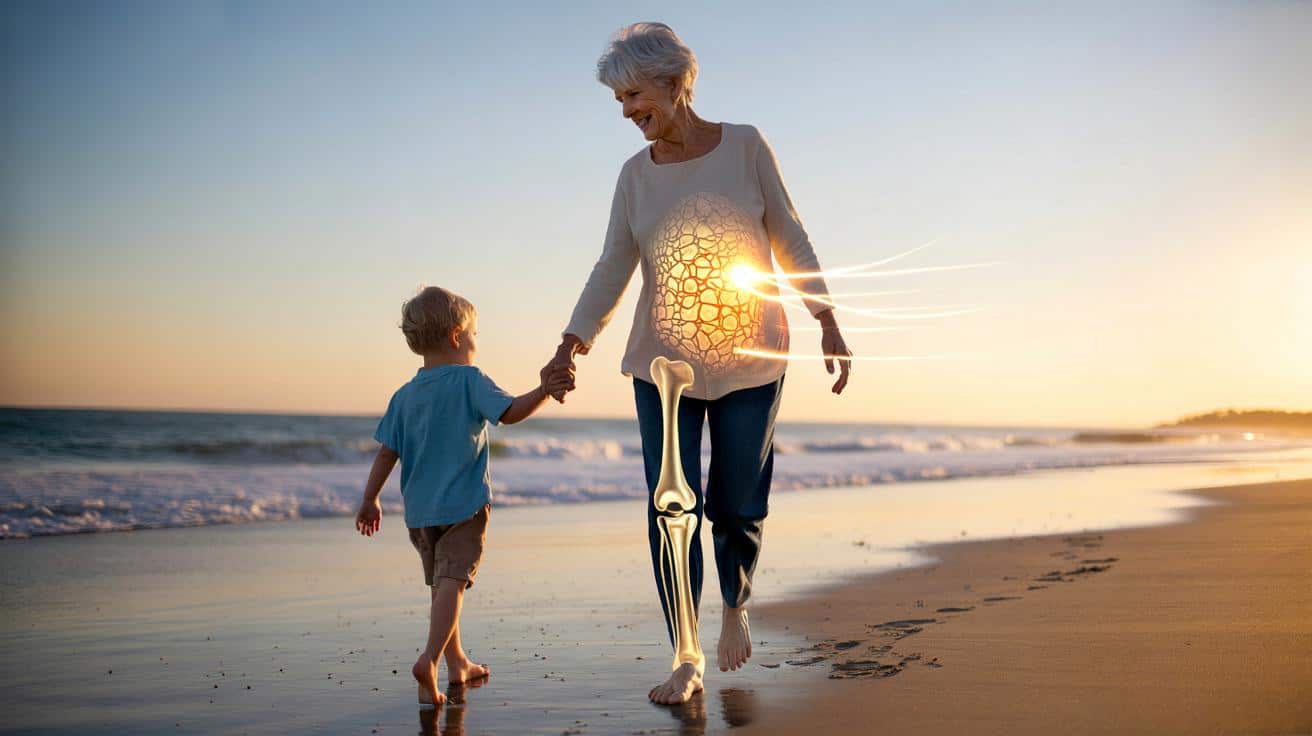
A quiet, startling idea is moving through bone clinics and lab benches: the skeleton isn’t a fixed archive after midlife. It’s a living network that can be coached back into strength. For millions staring down the fear of fracture, that single concept changes the room.
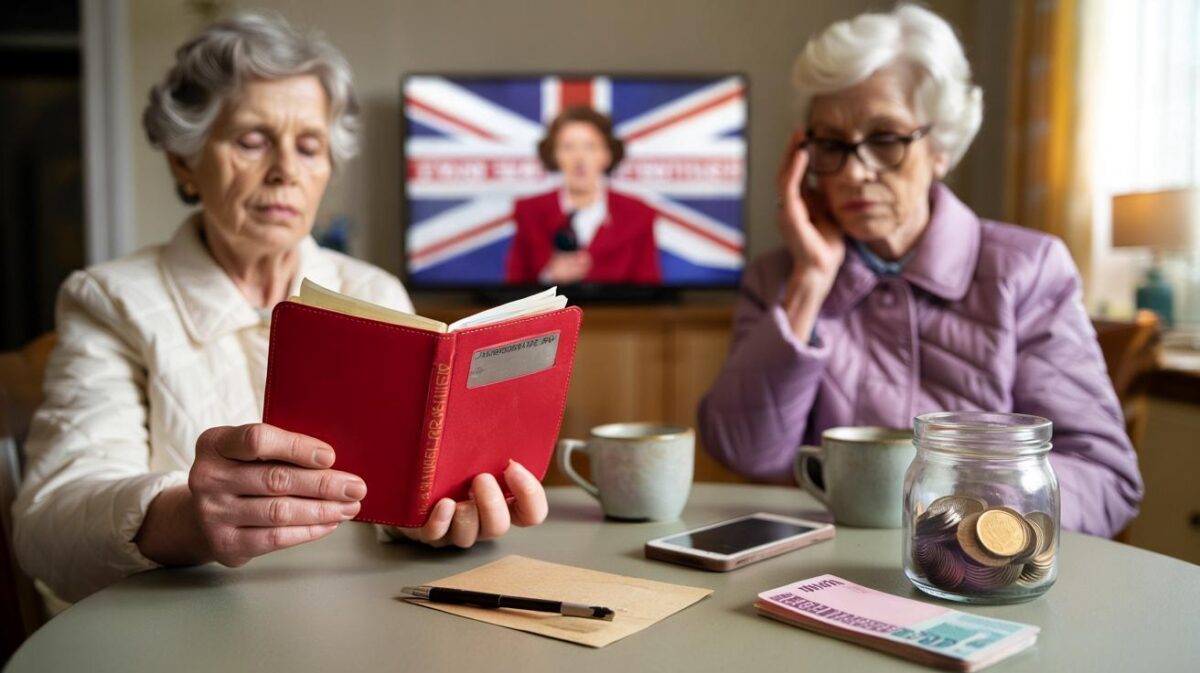
She was 72, kettle on, scan report folded like a secret in her cardigan pocket. She lifted her mug with two hands, as if the cup had grown heavier than the morning.
Her bone density score had slipped again, she said, eyes skimming the paper. Then her face brightened: her consultant had mentioned a new bone‑building approach, not just a brake on loss. She wanted to walk on the beach with her grandson without picturing the sand as a minefield.
We stood there with the steam curling up, the dog thudding his tail against a chair. June asked a question I keep hearing, almost a whisper. What if they could?
The quiet revolution inside your skeleton
The big shift is simple to say and thrilling to watch: scientists have found ways to turn bone formation back on. Inside each of us, osteoblasts build and osteoclasts clear; age tips the see‑saw toward loss. The new discovery traces a “mechano‑Wnt” switch in bone cells that listens to load and chemistry, then flips growth signals when nudged.
In early trials, that nudge looks like a double act: a medicine that frees up the Wnt pathway by blocking a brake protein, and small, regular mechanical cues that tell bone, “This matters.” Spine density has climbed by double digits in some patients over a year, with solid gains at the hip. Fracture risk falls when structure returns, not just when loss slows.
It makes intuitive sense once you see the pictures. Trabecular struts, those honeycomb beams, thicken and reconnect, like scaffolding re‑laced across a gap. **Bone can grow again.** You can feel the optimism in clinic corridors, tempered by the careful cadence of trials, side‑effect monitoring, and long‑game data.
What you can do this week while science races ahead
There’s a practical rhythm you can start now, alongside any medical plan your GP recommends. Try 30–60 seconds of gentle “micro‑hops” or heel drops, twice a day, on a firm surface you trust. Pair that with short, steady strength moves: sit‑to‑stands, loaded carries with shopping bags, a slow wall‑press that warms the wrists.
Add a protein anchor at breakfast and a little sunshine on the skin when the weather plays ball. Calcium can come from yoghurt, tofu, sardines, or fortified plant milks; vitamin D from a small daily supplement through the darker months. Let’s be honest: nobody actually does that every day. Aim for most days, and give yourself a kind grace period.
Here’s where people often slip. Walking is great for the heart, yet your hips and spine crave a bit of load and variety. Mega‑dosing calcium isn’t a shortcut; your gut and kidneys prefer steadier habits. If you’ve had a fragility fracture or your T‑score is low, speak to your clinician about bone‑building therapy, fall‑proofing the home, and a simple blood marker (P1NP) to track formation. This is general information, not medical advice.
Don’t just take my word for it.
“We used to talk about holding the line. Now we can talk about rebuilding,” says Dr Amina Clarke, a UK metabolic bone specialist. “The trick is pairing the right nudge with the right person, and keeping it safe.”
- Ask your GP about treatments that build first, then maintain.
- Do three short strength sessions per week, plus brief daily impact.
- Target 25–30 g of protein in two meals; include calcium‑rich foods.
- Check vitamin D in winter; small supplements often suffice.
- Clear trip hazards at home; strong bones still like soft landings.
Where this could lead next
The horizon feels close and far at once. Picture a smart patch delivering micro‑pulses to the hip, paired with a bone‑building course that wakes your osteoblasts, then a quieter medicine that holds your new gains. We’ve all had that moment when the future feels like it’s pressing its face against the glass.
I think of June, who started tiny jumps in the hallway and a medicine her consultant called “anabolic.” Six months later, she sent a photo of wet footprints on Brighton sand, wobbly and happy. **Age is not destiny.** The science will keep refining the dose, the target, the timing. **Progress will feel slow until, suddenly, it seems overnight.** The larger idea remains stubbornly human: a body that answers when called, even after years of silence.
| Key Point | Detail | Interest for the reader |
|---|---|---|
| Bone can be rebuilt | New approaches flip growth signals (Wnt pathway) and pair them with small, regular mechanical cues | Hope beyond “slowing loss” and a path to stronger, more resilient bone |
| Action you can start now | Brief impact, simple strength, protein‑rich meals, sensible calcium and vitamin D | Clear, mobile‑friendly steps you can fit into a busy week |
| Safety and personal fit | Medical therapy choices, side‑effect checks, and markers like P1NP to tailor care | Confidence that the plan can be personalised and tracked |
FAQ :
- What exactly is the “new discovery” in plain language?Researchers have mapped a bone switch that tells cells to build, not just clear. Therapies that release this switch, plus gentle mechanical cues, can restore structure in the right patients.
- Could this reverse osteoporosis for everyone?Not everyone, and not instantly. Gains vary by age, health, and fracture history. Some people see big improvements, others modest. Your clinician can judge fit and timing.
- Is it a pill, an injection, or something else?Today, the bone‑building nudge is usually an injection course followed by a maintenance plan. Devices and other options are under study, and may broaden choices.
- How soon might I notice a difference?Bone changes silently at first. Scans and blood markers can show progress within months; fracture risk reductions emerge as structure returns over a year or so.
- What should I do before changing anything?Speak with your GP or specialist, especially if you’ve had fractures, take steroids, or have kidney issues. Bring questions, a medication list, and be ready to discuss diet and movement.


This gives me hope—after my mom’s hip fracture we thought ‘holding the line’ was all we could do. The idea of rebuilding is huge. Any timeline for broader access beyond trials?
Double-digit spine density gains sound great, but what’s the absolute fracture risk reduction and over how many years? Also, Wnt pathway blockers have side‑effects, right? Please dont oversell before long‑term data.